
Tampa Neighbor Block Sources
Each official source describes a different layer of a Tampa block. HCPA shows taxable parcels and owners. Voter data can identify disclosed registrations only through the lawful request route. Accela describes work or code cases. The City Neighborhood Registry publishes association boundaries and contacts, not member households.
| Source | Block evidence | Access route |
|---|---|---|
| HCPA GIS and roll | Adjacent parcels, owner, situs, mailing | Free public map |
| Voter dataset | Disclosed registrations by residence | Request with exemptions |
| Tampa Accela | Permits and code matters by address | Portal or records request |
| Neighborhood Registry | Association boundary and contact | City webpage and map |
| Directories and newspapers | Former occupants and community notices | HCPLC collections |
An owner name is not a complete answer to who your neighbors are. Compare the mailing address with the situs address and note a homestead exemption as supporting clues, not proof. Multi-family and condominium folios may represent units, common land, or a larger complex in different ways.
Permits and code cases describe work, inspections, status, and dates at an address. They may name an applicant or contractor, but those people need not be neighbors. Some protected buildings and personal fields are removed under Florida law, so a blank Accela result can reflect an exemption rather than the absence of a file.
Map Tampa Neighbors by Parcel
Use the HCPA Property Search to locate one standardized address, then open the parcel map. Zoom until parcel polygons are clear. Select lots that touch the subject and lots directly across the street. Follow “Appraiser's Info” back to each parcel card and record only fields relevant to the block study.
- Search the subject address and save its folio and situs.
- Open GIS, zoom to parcel scale, and click adjacent polygons.
- Record owner, mailing address, subdivision, and parcel type for each lot.
- Flag condos, common parcels, and mailing differences instead of assuming occupancy.
- Use the Tampa street directory if the scope grows to the full named street.
The HCPA GIS Web Map provides the official adjacent-parcel view. The map establishes parcel relationships, but it is not a survey, title opinion, or household list.
Tampa Neighbor Voter Channels
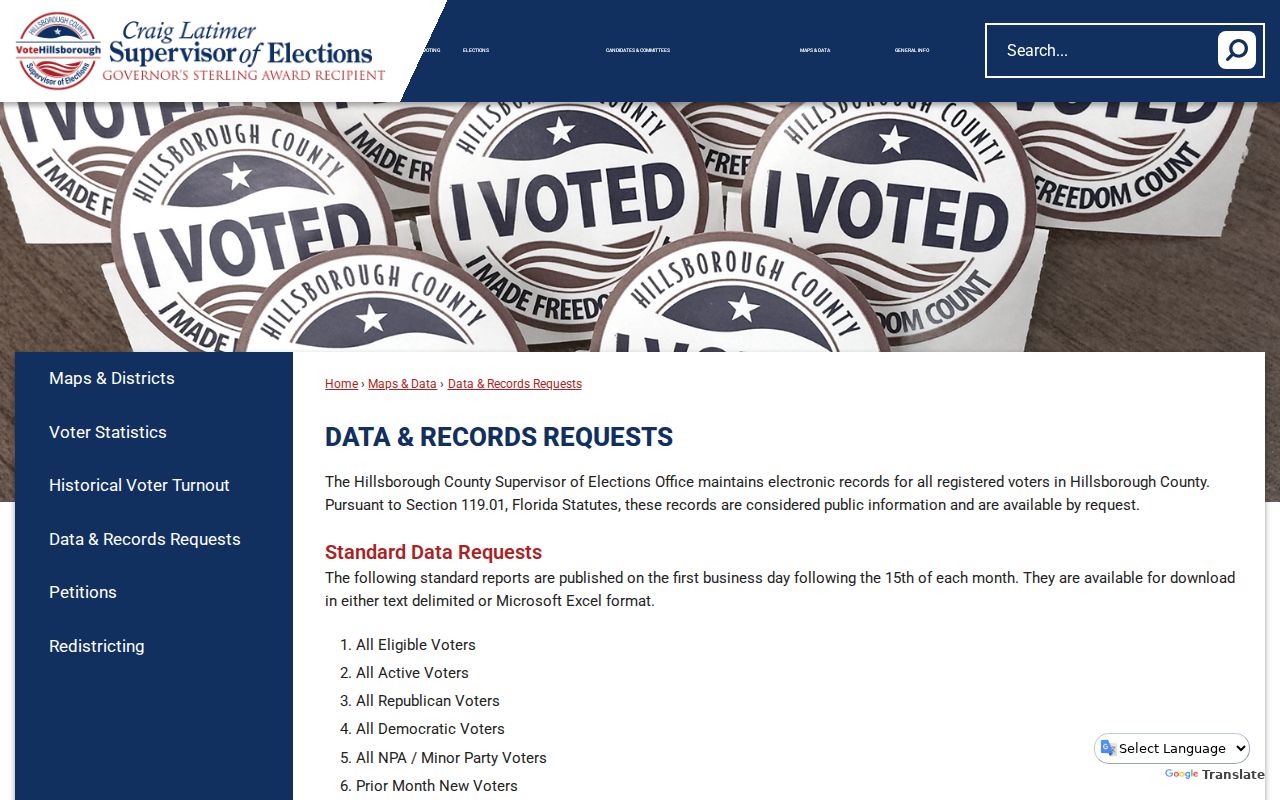
Hillsborough's public Voter Information Lookup is a self-verification form, not a block browser. A block study requires a voter-data request and then lawful filtering by residence. County standard products are issued after the fifteenth of each month, while customized requests can go through the online channel, email, phone, or in person.
Florida generally treats name, residence, birth date, party, supplied phone, and email as public voter fields, subject to protected-record exceptions. Social Security, driver-license or state-ID numbers, and application source stay closed. Signatures may be viewed but not copied. Ballot choices are never part of participation history.
The Hillsborough voter data request page shows the county route.
Use the requested dataset within its legal limits, and expect protected fields or people to be blank or absent.
Tampa Neighborhood Registry Contacts
Tampa's Neighborhood Registry is the right community layer. It identifies recognized associations, boundaries, leaders, and meeting contacts. It is not a member roster. Official mapping includes groups in Davis Islands, Hyde Park, Seminole Heights, West Tampa, Beach Park, Palma Ceia, Forest Hills, New Tampa, and many other areas.
| Historic core | Historic Hyde Park, Old and Southeast Seminole Heights, Hampton Terrace |
|---|---|
| West and South Tampa | Beach Park, Westshore Palms, Virginia Park, Ballast Point, Port Tampa City |
| New Tampa | Tampa Palms, West Meadows, Arbor Greene, Cory Lake Isles, K-Bar Ranch |
Verify current registration through the City neighborhood resources. Association officers may publish contact channels voluntarily, but private membership should not be inferred.
Tampa Neighbor Tools Compared
Official rolls are narrower than commercial neighbor tools, but their fields have a named custodian and defined meaning. A commercial result may merge old addresses or same-name people without showing its source.
| Source type | Strength | Limit |
|---|---|---|
| HCPA roll | Current parcel and assessed owner | No household roster |
| City registry | Recognized association and boundary | No member list |
| Commercial category | May gather broad hints | Stale merges, unclear sourcing, possible cost |
Return to the official custodian before relying on a name, ownership claim, or boundary.
Free official access also has clear fallback channels. Parcel and GIS data can be downloaded from HCPA, voter products require county or state requests, and city permit records can be requested from the responsible custodian. A commercial compilation cannot substitute for those source records when an identity or date matters.
Tampa Blocks in State Extracts
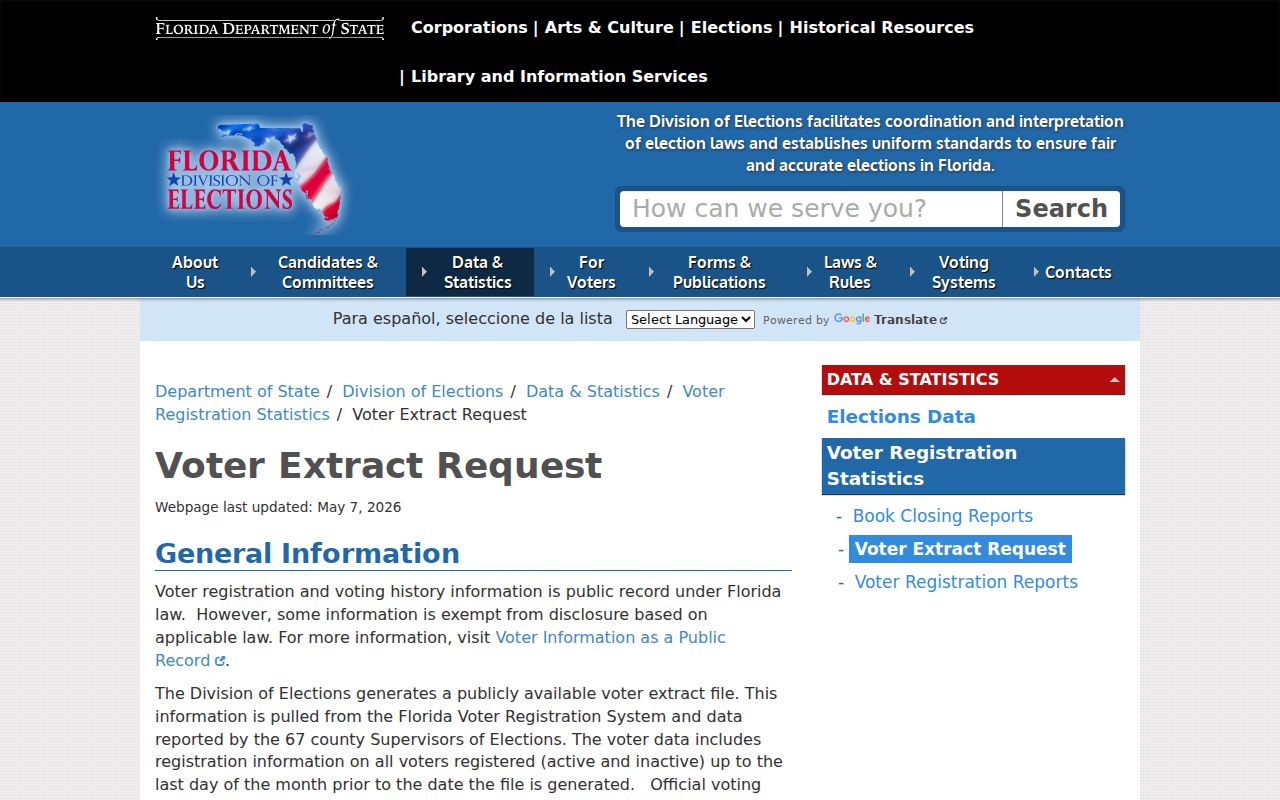
Florida also offers monthly statewide voter extracts. Hillsborough uses county code HIL. Registration and ten-year participation files are tab-delimited data, and protected fields are blanked. Address filtering belongs after lawful receipt, not through the county self-lookup.
The Florida voter extract request states the release procedure.
Participation codes show whether a voter received credit in an election, never how anyone voted.
Tampa Neighbor Property Alerts
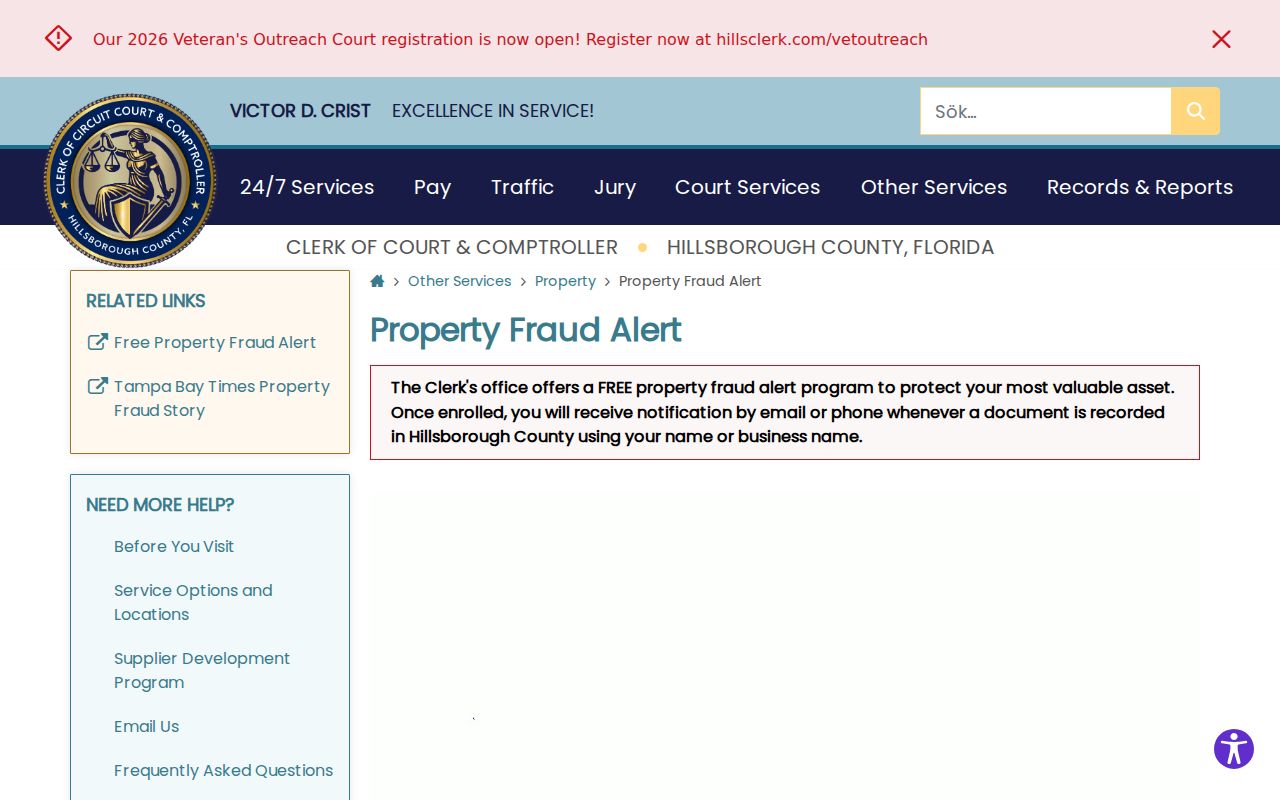
Ownership on a block can change, and recorded fraud can distort assumptions. Hillsborough's free property-fraud alert warns subscribers when a document is recorded under a monitored name. It does not prevent filing or prove fraud, but it prompts direct review.
The Clerk's property fraud alert supplies the official enrollment route.
Confirm any alert against the recorded instrument and parcel before drawing a conclusion about a neighbor.
The Clerk promoted alerts after Tampa Bay properties left empty or under repair following Hurricanes Helene and Milton faced added forgery risk. Later prosecutions and a victim guide show why a newly recorded deed should be checked at its source. An alert is a prompt to inspect the instrument, party roles, legal description, and parcel, not a basis to accuse a nearby owner.
Official Tampa Safety Searches
State corrections and registry searches have defined scopes. They should not be treated as general lists of Tampa neighbors. Search terms, identity, status, and the record's own warnings must be read carefully.
The Florida Department of Corrections search is the official state prison and supervision route.
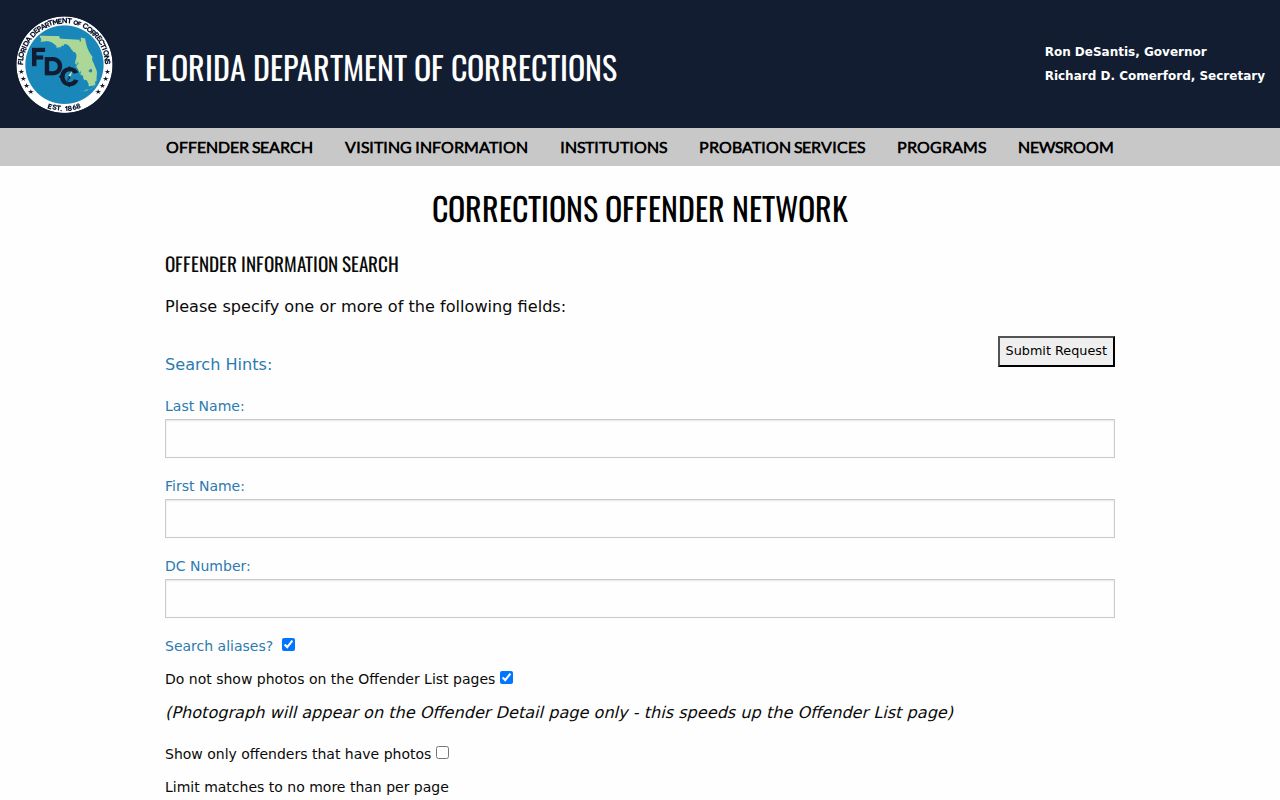
A match concerns that agency's record. It does not establish every fact about a present household or block.
FDLE's separate offender registry includes official name and neighborhood search choices and its own legal warning. Identity should be checked with the full record, not just a map point or similar name. Registry and corrections data have defined statutory purposes and coverage. Neither source should be blended into a broad commercial profile of Tampa neighbors.
Privacy for Tampa Neighbors
Parcel rolls do not list renters or all household members. Utility and delivery customer data are not public block directories. Florida's Address Confidentiality Program provides substitute addresses for eligible victims, and occupational exemptions can suppress defined fields. A missing address may reflect a lawful protection, not a search error.
Florida voter guidance explains which registration fields are public and which stay closed.
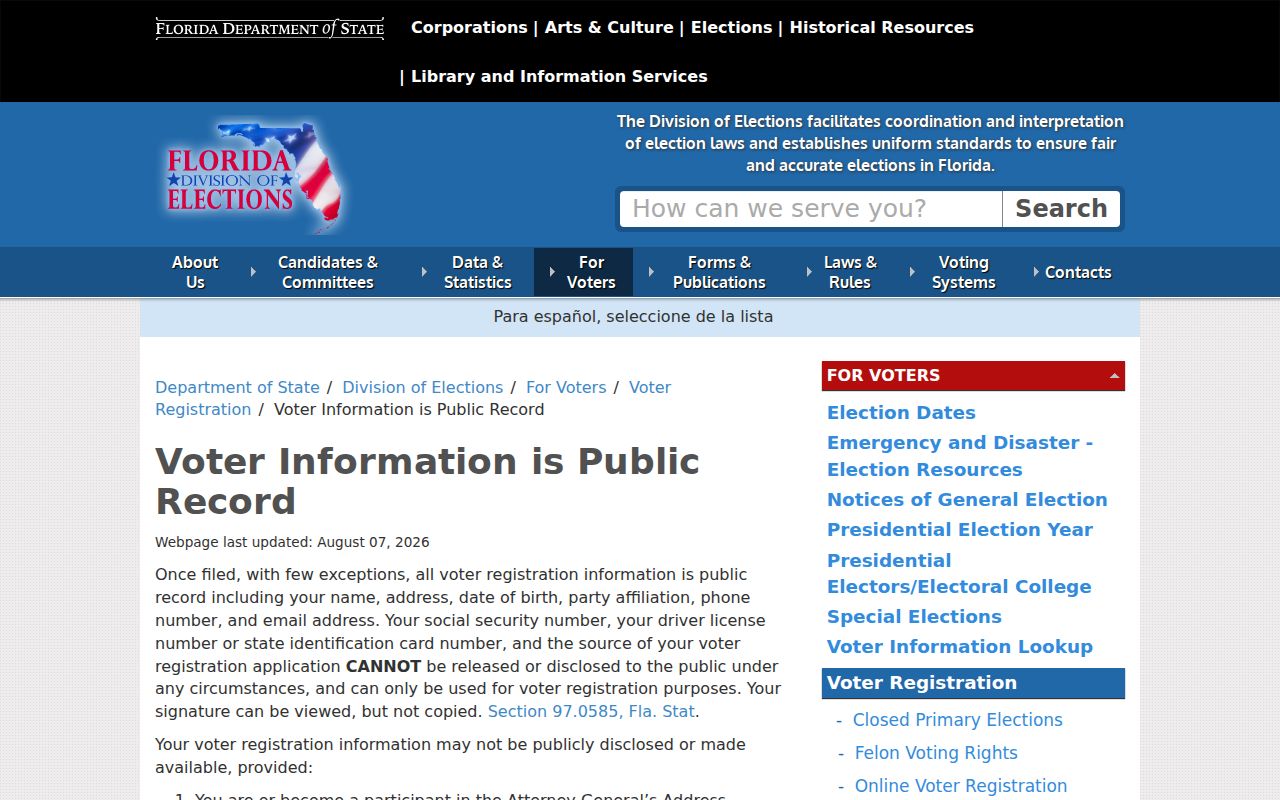
Respect blanked data and never try to reconstruct a protected resident's location from other sources.
Florida's Address Confidentiality Program operates under sections 741.401 through 741.465. Qualifying public officials and other protected occupations may also request field-specific exemptions under section 119.071. These rules do not erase every lawful record, but they can suppress an address in voter, property, or other public displays. A custodian can explain the exemption category without revealing the protected location.
Lawful use. Tampa neighbor research supports civic curiosity, reconnection, and personal safety. Never use it to watch, harass, intimidate, or harm anyone.
Tampa Good Neighbor Notices
Tampa's Good Neighbor process supplies a different kind of block view for certain zoning and land-use matters. Starting with an HCPA folio, the City tool can retrieve organizations that must receive notice within a specified 300-foot area. Qualifying contacts include city-registered associations, incorporated nonprofits, and condominium associations. The output concerns notice recipients and community organizations, not a list of people living within that distance.
This radius method can help explain why a civic group is linked to a parcel even when its name does not match the casual neighborhood label. Use the folio and official association boundary. Do not convert the notification list into a resident roster or assume every nearby owner belongs to the listed organization.
Postal Tampa can also mislabel the government context. Carrollwood, Westchase, Town 'n' Country, Citrus Park, and other areas may use Tampa for mail while lying outside incorporated Tampa. Verify the City boundary before searching municipal permits, code files, or association records. HCPA and Hillsborough Clerk records remain the parcel and deed authorities throughout the county.
For permits, search the exact street number, street name, unit, ZIP, parcel, and a useful date range in Accela. Results can show record number, type, description, status, and dates. Applicant and contractor names concern the project, not necessarily a person who lives next door. If an exempt building is absent, request an exemption explanation from the custodian without trying to identify a protected resident.
Historic block questions belong at HCPLC. Reverse directories arrange occupants by address, released census schedules show households, newspapers report community events, and Sanborn maps preserve older street and building patterns. Those sources describe a past block, not today's neighbors. Record the year of every observation and do not carry an old occupant into the present without a current official source.