
Find Tampa Residents Step by Step
Begin with the most exact fact you already have. An address belongs first in the property roll. A full name can go to the voter verification form, deed index, court party search, Sunbiz, or a professional-license index. An older address belongs in city directories, newspapers, and maps. Each result should supply a second search term, such as a folio, middle name, spouse, business, filing date, or legal description.
No public source is a master resident list. Property files emphasize owners, voter files omit nonvoters, and directory volumes capture only a publication year. A useful Tampa residents directory search therefore builds a chain:
- Search HCPA by owner or address and save the folio, situs, mailing address, and deed reference.
- Use the Hillsborough voter form for individual verification, or request approved voter data through Elections.
- Search Official Records for deeds, liens, plats, judgments, and marriage records tied to the name.
- Check HOVER court dockets, then read party role and disposition instead of relying on a name hit.
- Use HCPLC directories, obituaries, newspapers, census tools, and maps for earlier residents.
- Send a focused public-record request when the record is not indexed online.
Two matching facts are the minimum safe practice. Pair a name with an address and date, or a deed party with the same legal parcel.
Tampa Resident Records Custodians
Tampa is the Hillsborough County seat, yet custody is divided. The city keeps municipal permits, code cases, meeting records, archives, cemetery material, and business-tax files. The Clerk keeps deeds, marriages, probate, court records, judgments, and plats. HCPA maintains the parcel roll and GIS, while the Supervisor of Elections handles voter verification and data requests.
The Hillsborough Clerk hub connects Tampa names to court and recorded files.
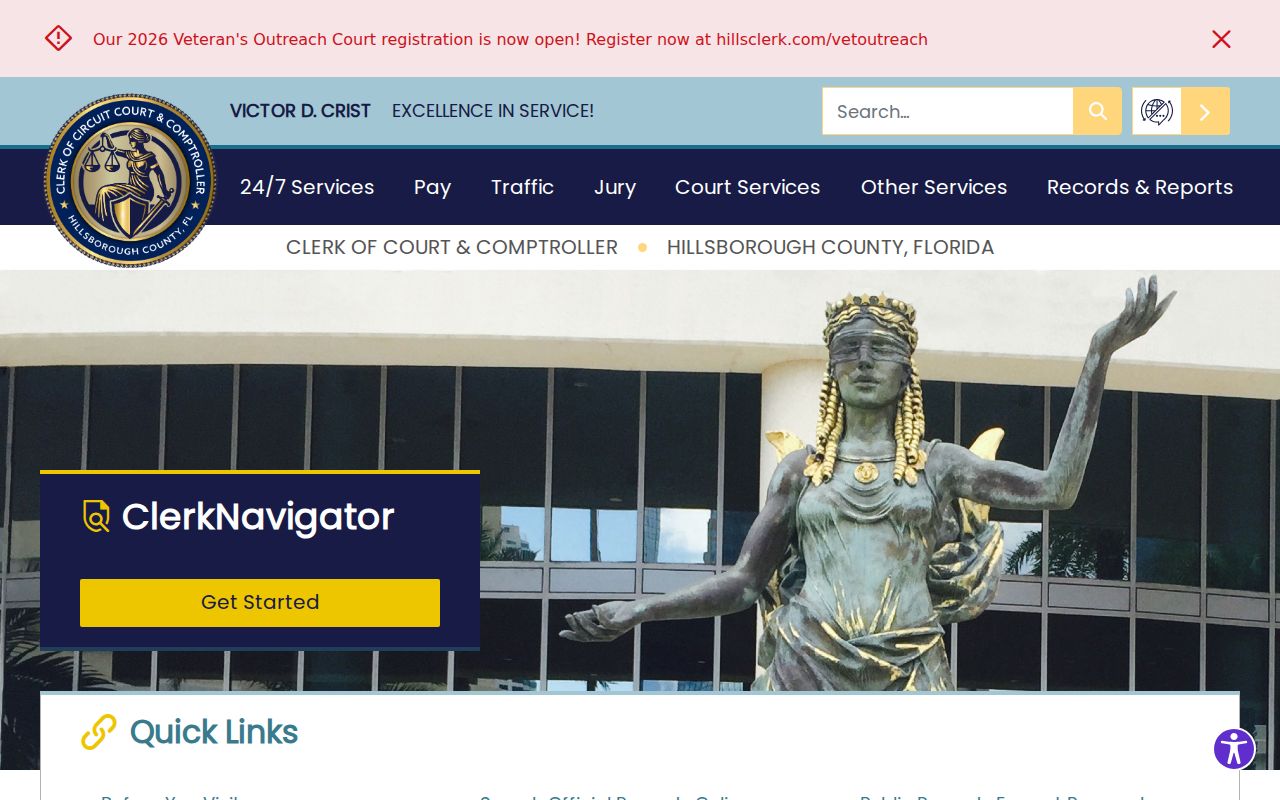
The hub is the county route for records the City of Tampa does not hold.
Tampa Property Records Start the Trail
The HCPA portal is the best address-to-owner bridge. Its basic routes accept Owner Name, Address, Folio, and Parcel Number. Map Sales and Identify tools add nearby parcels. A result can show owner, mailing and situs addresses, folio, legal description, municipality, values, exemptions, sales, building data, and deed references. Mailing and situs may match, but that does not prove a complete household.
| HCPA mode | Entry | What it adds |
|---|---|---|
| Owner Name | Surname or entity | Candidate parcels |
| Address | Street number and name | Physical parcel |
| Folio | County account ID | Exact parcel card |
| Parcel Number | Cadastral ID | Map and data match |
| Map Sales/Identify | Selected lot | Nearby parcels and sales |
The HCPA search screen shows these routes.
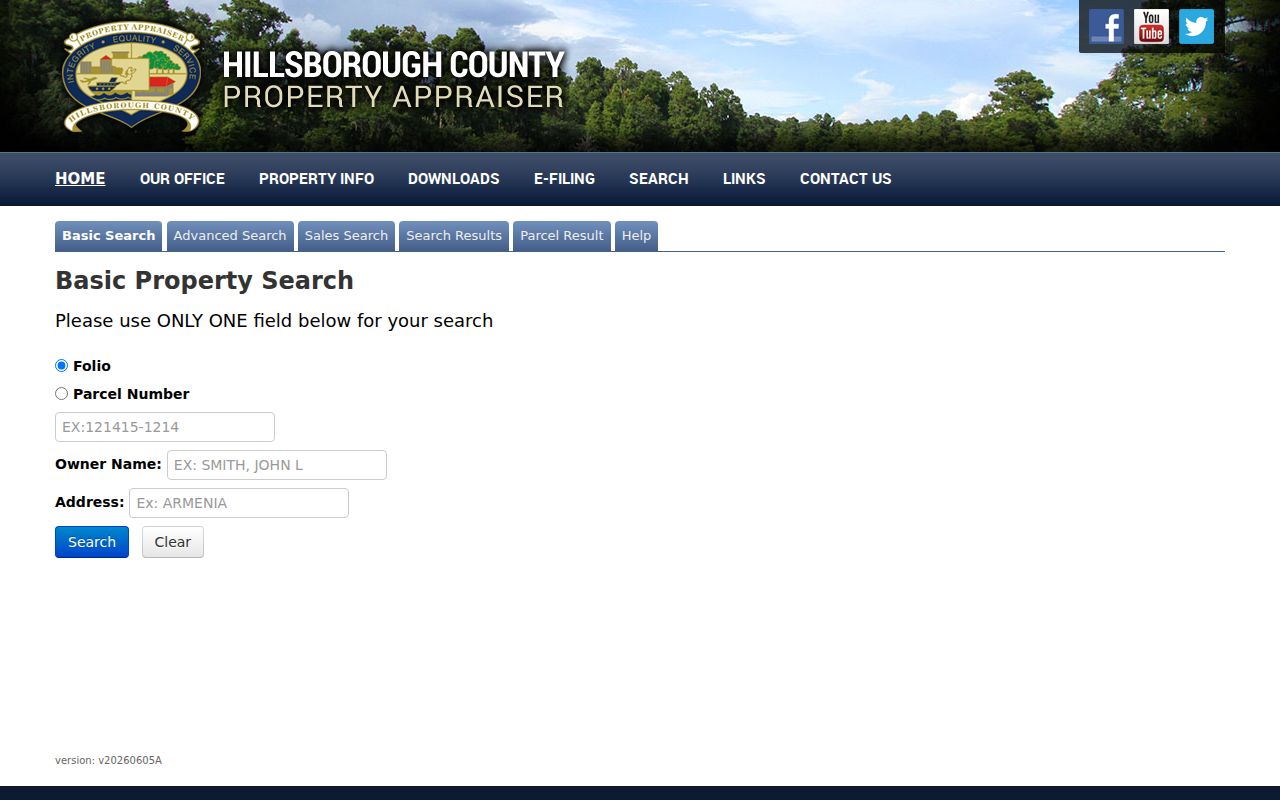
Save the folio and legal description before opening the deed index or GIS.
County Records Outnumber City Files
The City of Tampa records hub routes each request to its actual keeper. City Archives, cemetery inquiries, ordinances, boards, construction permits, parking, accident, and business-tax records remain municipal. Marriage, deed, trial-court, probate, and vital-record requests move to county or state offices. Florida law does not require a reason for a public-record request, and anonymous or telephone requests may work when the record is described well enough.
The city records hub makes that custodian split visible.
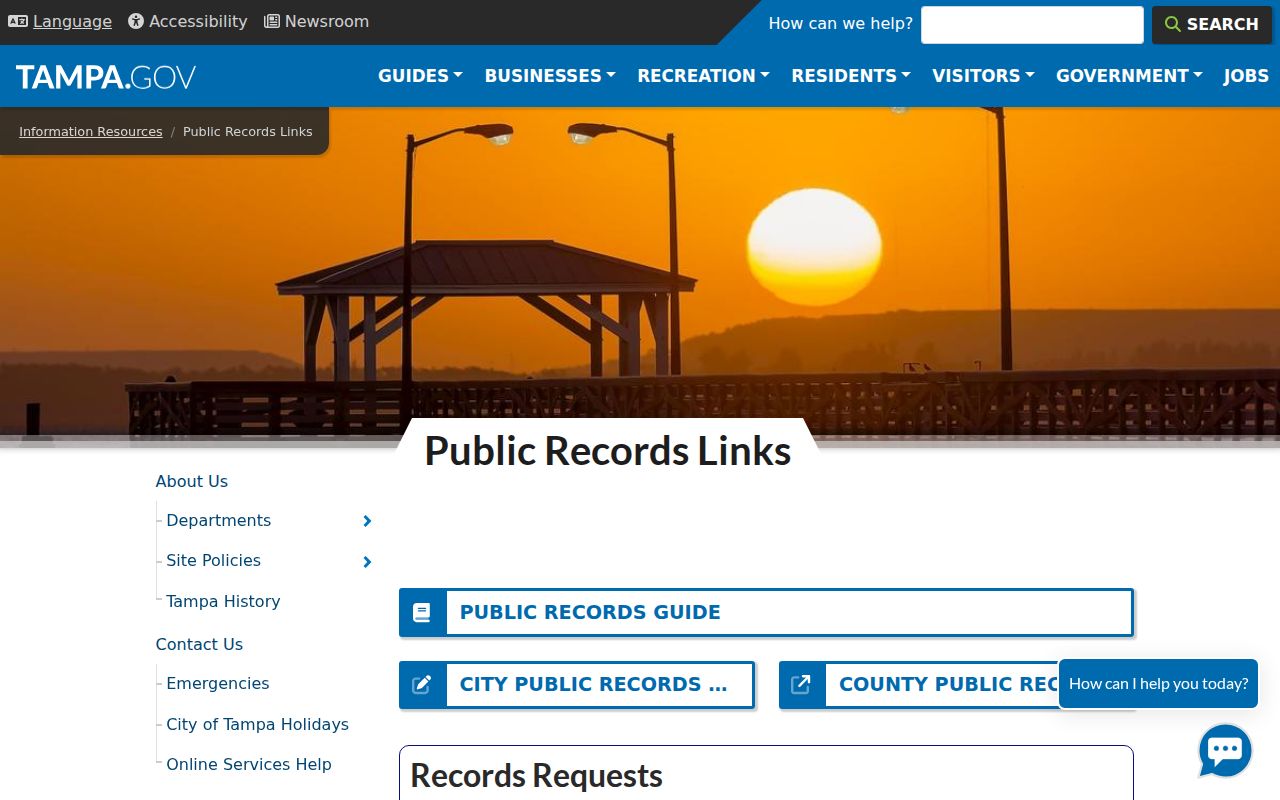
A focused request names the department, record type, person or address, and date range. Broad research can trigger a special-service charge.
Hillsborough accepts requests online, by phone at 813-272-5900, by mail, and anonymously. Research up to 30 minutes is free; longer work is billed at the lowest-paid qualified employee's rate. The first ten paper pages are free, then copies are $0.15 per page, with advance payment at $49 or more.
The county request page documents these channels.
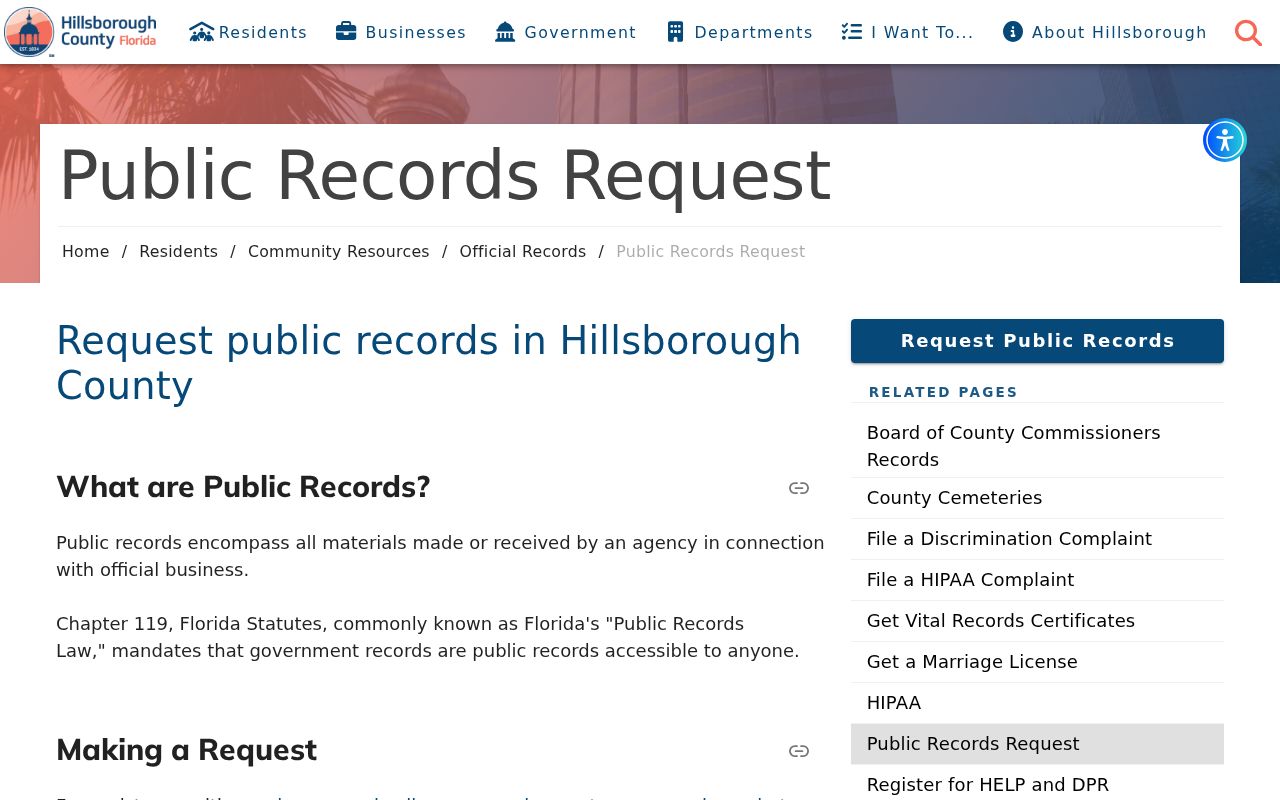
The request route matters when no index exists or when a portal omits a public image.
Current Tampa Resident Directory Sources
Present-day rolls list different parts of the Tampa population. Ownership, registration, recorded transactions, court participation, incarceration, licenses, and business affiliations should never be collapsed into one claim of residence.
| Source | Names included | Keeper | Access |
|---|---|---|---|
| Parcel roll | Owners | HCPA | Free portal and downloads |
| Voter records | Registered voters | Supervisor of Elections | Individual lookup or request |
| Official Records | Deed, lien, judgment, marriage parties | Clerk | Free index; copies vary |
| HOVER | Public court parties | Clerk | Free public docket |
| Sunbiz | Business officers and agents | Florida DOS | Free index and filings |
| DBPR | Licensed people and firms | Florida DBPR | Free verification |
Official sources disclose their dates, roles, and custodians. Commercial people-finding tools may be fast, but can merge stale addresses and same-name records. They should not replace an official check.
Tampa Voter Records Have Boundaries
The Hillsborough lookup is built to verify one registration. Broader data requires the Supervisor's request process. Florida generally treats name, residence address, birth date, party, telephone, and email as public voter information. Social Security and driver-license numbers, registration source, and signature copies remain private. Ballot choices are never disclosed.
The official voter form is an individualized search.
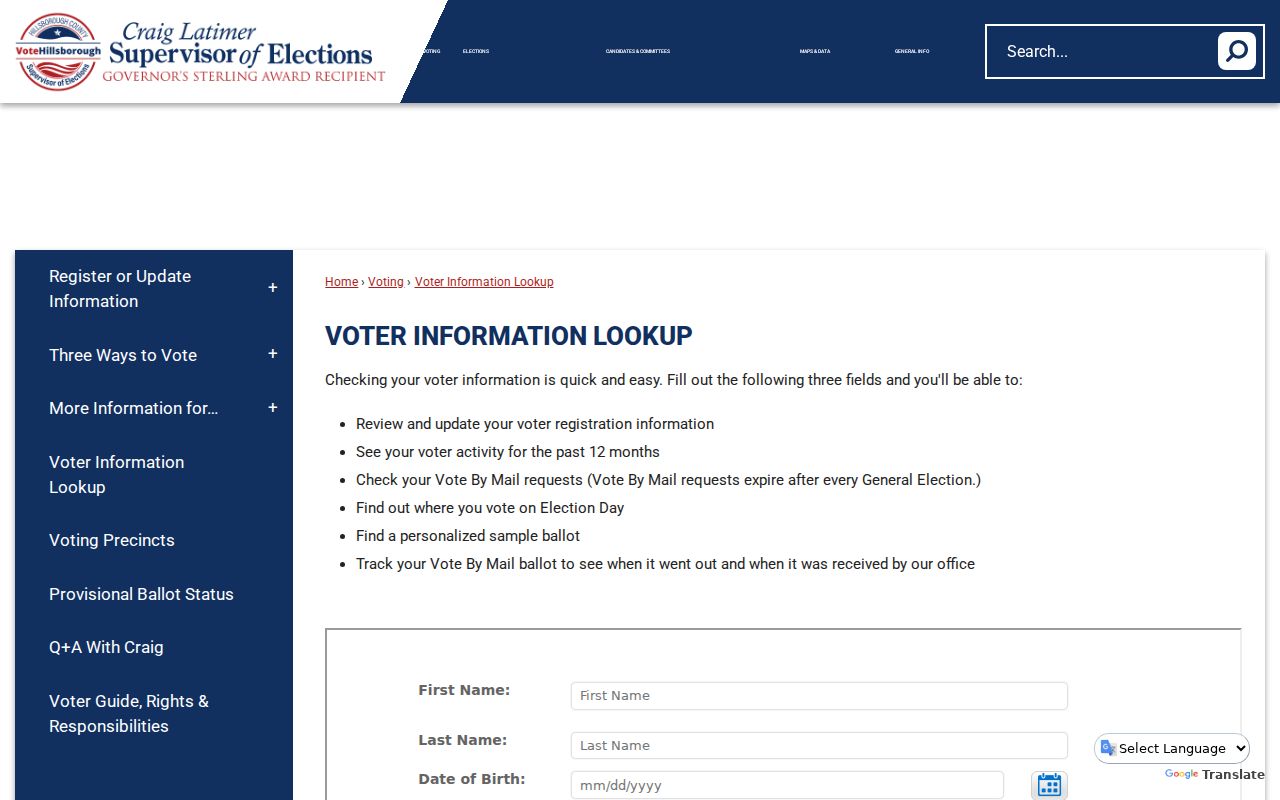
The form is not a public street browser, and protected addresses can be withheld under confidentiality or occupational exemptions.
Lawful use. Use Tampa resident records for lawful personal research. Never stalk, harass, intimidate, or try to defeat an address protection.
Tampa Court Names Need Context
HOVER searches public Hillsborough circuit and county cases by case number, party or business name, citation, date range, court type, and case type. A result can show division, filing and status dates, parties and roles, attorneys, docket events, hearings, and disposition when public. Juvenile, adoption, sealed, expunged, and protected family material is not open.
A filing is a lead, not proof of guilt or liability. Match a middle name, date, role, and another official record. Read the disposition. Missing online images may be ordered from the Clerk or inspected through allowed courthouse access, while confidential files remain unavailable. Florida appellate dockets and federal Tampa cases use separate systems.
The Florida court standards describe remote access limits.
The statewide rules help explain why a docket entry may be public while its image is not remotely displayed.
Tampa Deed Index Spans Two Eras
The Clerk's free Official Records index covers 1965 forward, while its library holdings reach 1836. Direct party usually means the grantor, or seller, and reverse party usually means the grantee, or buyer. Filters include last or business name, first name, document type, and recording dates. Results over 5,000 must be narrowed. The archived Kofile service bridges older deed and Official Records series, and staff-assisted books or microfilm carry the trail farther.
Public web images, courthouse workstations, and the paid subscription do not expose identical document classes. Military discharges, death certificates, and material governed by family, juvenile, or probate restrictions can be gated. This is a local comparison worth remembering: an absent web image does not always mean an absent record.
- Roll
- An official list created for a public function, such as tax or voter administration.
- Index
- A finding aid that points to a record; it may not contain the full document.
- Parcel
- A mapped unit of land with a county identifier.
- Criss-cross directory
- A volume arranged by address, useful for finding the listed occupant in one year.
Tampa Family Links Use Several Offices
Florida birth certificates under 125 years are confidential and limited to eligible applicants. Death records without cause are more broadly available, while cause remains restricted for 50 years. Marriage and divorce reports are public, but a divorce report is only an abstract. The Hillsborough court file may contain the fuller case record subject to redaction. Statewide registration generally begins in 1917, with marriage and divorce reports beginning June 6, 1927.
For an heir trail, combine probate, recorded deeds, and obituaries. HCPLC searches up to three obituaries per request at no charge when a death date is supplied. Its newspaper coverage includes the Tampa Tribune, Florida Sentinel Bulletin, and St. Petersburg Times or Tampa Bay Times. That service states a response within 14 days.
Other Tampa Name Rolls
State and county specialty databases can confirm a narrow role. Sunbiz searches by entity, officer, registered agent, street address, ZIP, fictitious name, partnership, and liens. DBPR verifies many regulated licenses by name, number, place, and license type. Florida Treasure Hunt searches unclaimed property, which can point to an old connection but not current residence.
Hillsborough Sheriff Arrest Inquiry and the Florida Department of Corrections index are official custody sources. The FDLE registry also provides a legally bounded name and neighborhood search. These sources must be read for record date and status, not treated as general resident rolls.
The Hillsborough arrest inquiry is a distinct county database.
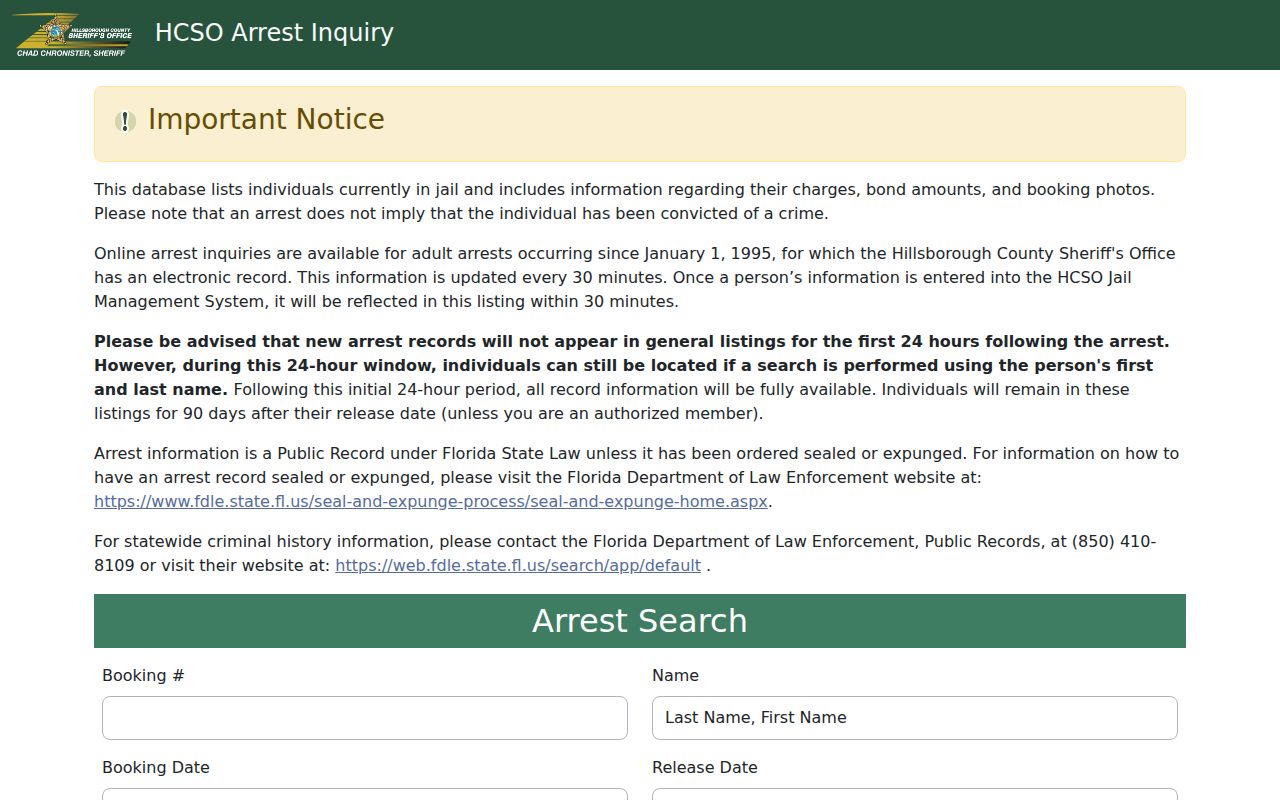
Its separate custody purpose shows why unlike record categories should not be merged.
The FDLE registry supplies official search choices and warnings.
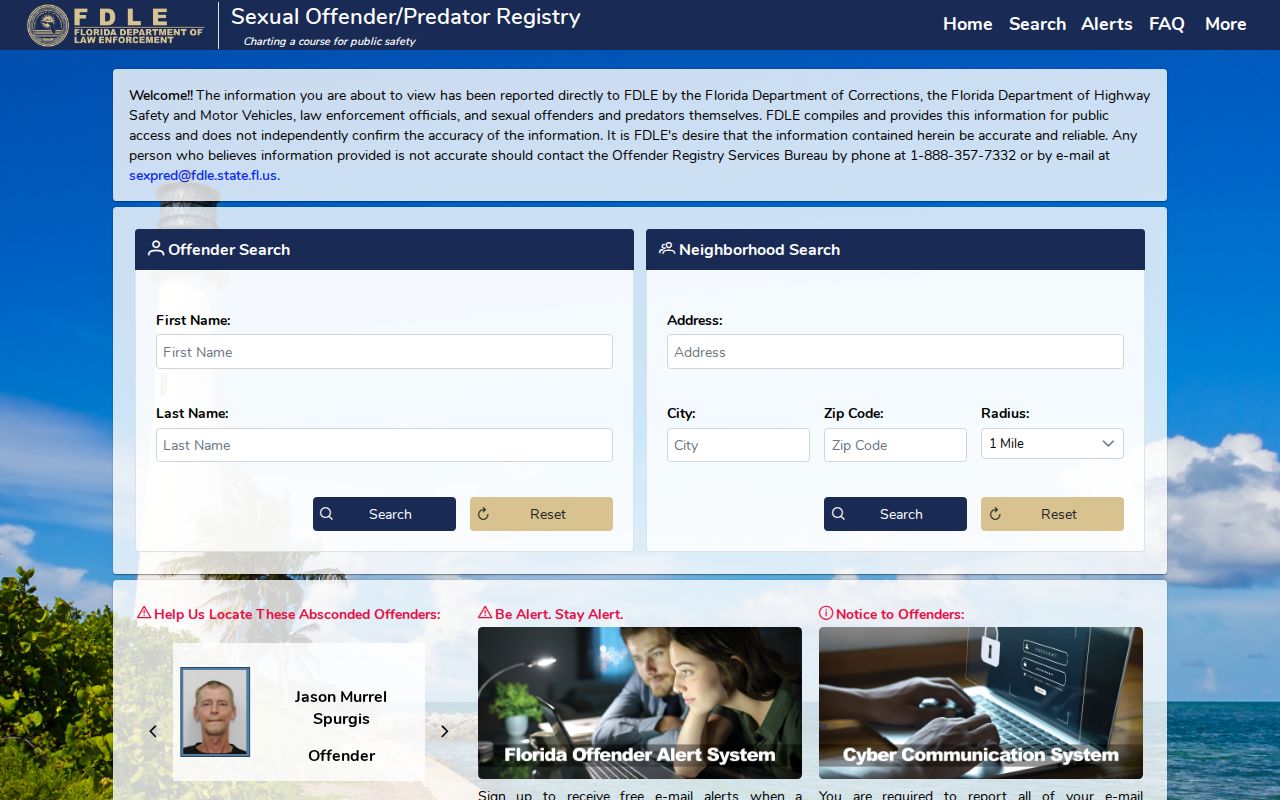
Follow the registry's legal warnings and confirm identity instead of relying on a similar name.
Old Tampa Addresses Need Local Context
Early Tampa records can sit under a much larger historical Hillsborough County. The county was created in 1834 and once covered territory later divided among several counties. Its first courthouse burned in 1836, and Civil War-era circuit and probate books were moved for safety. Search each record series by its own survival and boundary history.
Modern geography also misleads. Postal Tampa extends beyond incorporated limits into parts of Carrollwood, Westchase, Town 'n' Country, Citrus Park, and other county areas. Check the city boundary before choosing a permit or code custodian. Within older neighborhoods, Spanish double surnames, initials, anglicization, and changed diacritics require name variants plus an address, spouse, occupation, or date.
The clue can also be photographic. Burgert Brothers images, city archives, newspapers, Sanborn maps, directories, and deeds overlap in older Tampa neighborhoods. The full named-street chain belongs in the Tampa street directory.
Browse Historical Tampa Resident Directories
HCPLC's Florida History & Genealogy Library at 900 N. Ashley Drive provides city directories, licensed genealogy databases, newspapers, census access, Sanborn maps, Florida Memory, Tampa Archives, USF Special Collections, and state digital collections. The City Archives adds council minutes, Port Tampa and West Tampa records, municipal judge dockets, cemetery material, engineering plans, fire logs, zoning, and urban-renewal files.
A directory entry can establish a listed name, spouse, occupation, employer, and address for one edition. A reverse volume begins with the street and house number. Neither is continuous proof of residence. Compare editions and pair the entry with census, deed, obituary, permit, or newspaper evidence. A fuller treatment of publishers and shelf use belongs in the Tampa city directory.
Unclaimed Property Offers Old Leads
Florida Treasure Hunt is useful when a Tampa address has gone stale. Search an owner name and treat a match as evidence of a past account or reported property, not proof of a current home. A claim requires identity and ownership documents.
The official unclaimed-property search provides the state route.
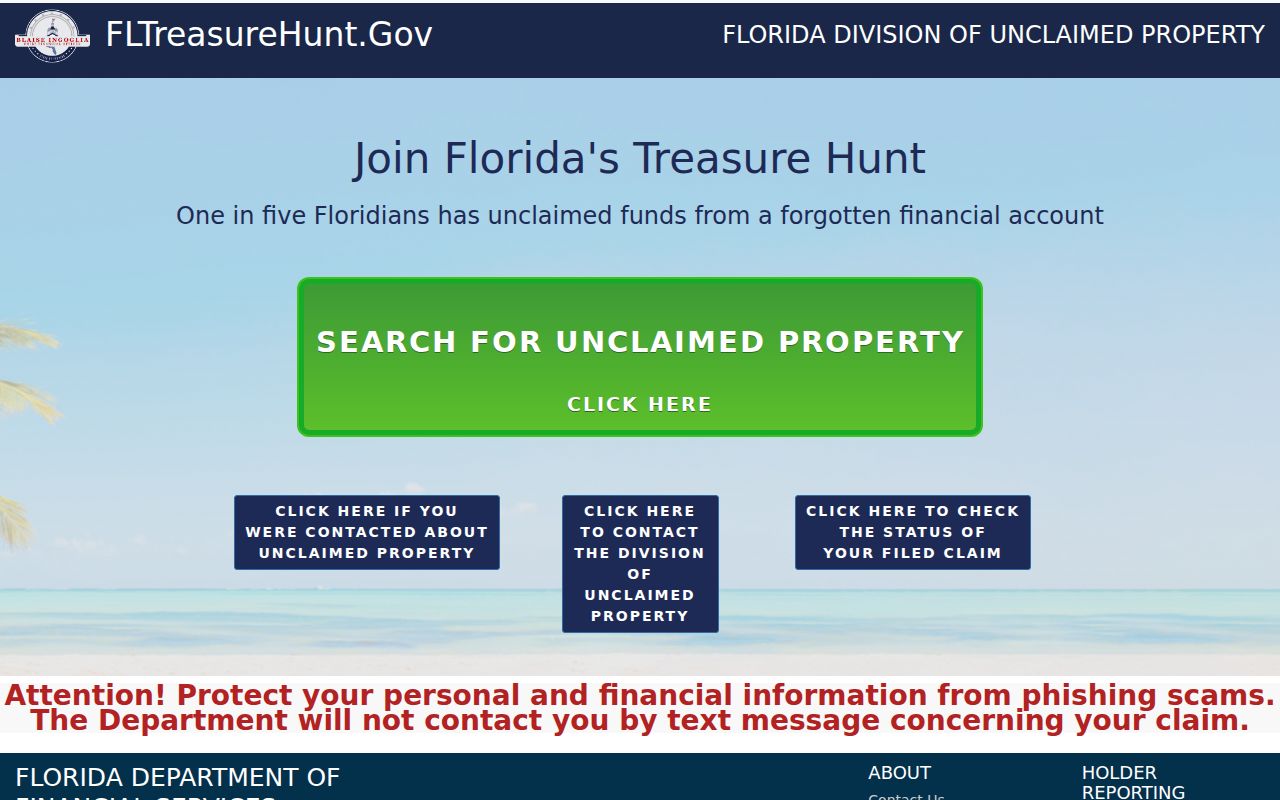
The result belongs beside deeds, probate, obituaries, and directory dates when reconnecting an old address to a person.
Note: Record dates matter more than search dates; a newly found official result may describe a relationship that ended years ago.
Verify Tampa Records Before Relying
Same-name errors are common in a city with long family lines, compound surnames, and people who appear under initials or earlier names. Start with the record role. A grantor conveyed an interest, a grantee received one, a court party may be a plaintiff or defendant, and a business officer may only have a filing address. None alone proves a present home. Compare the event date, middle name, spouse, legal parcel, business, or another official source.
Dates resolve false conflicts. HCPA sales may take several weeks to post. A voter address reflects registration data. A directory describes its publication period. Unclaimed property can survive long after a move. Record when each item was created, not merely when it was found. If an image is missing online, use a copy request, workstation, mail, phone, library, or archive route before deciding no record exists.
Florida Address Confidentiality Program participants receive a substitute mailing address, while section 119.071 protects qualifying officials and family information. Respect suppressed details. A Tampa residents directory result can still be useful without exposing information the custodian lawfully withholds.